
Impact-rated skylights in Florida: do you need one?
By Priya Vogel, Editorial Lead · Updated 2026-10-20
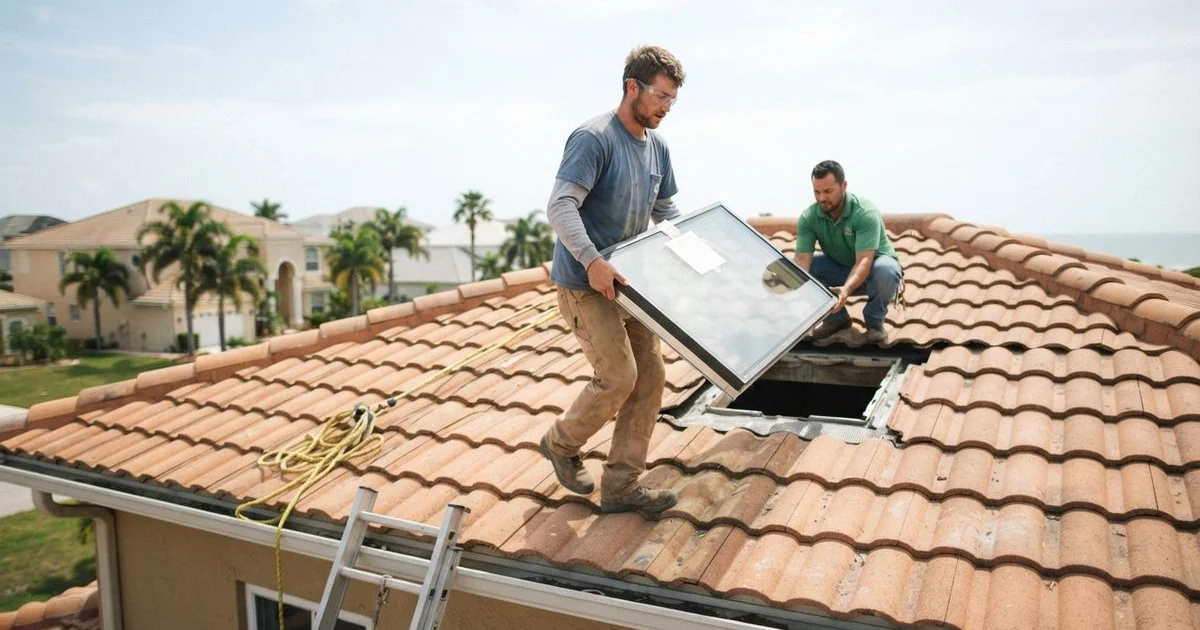
Demand for hurricane-rated skylight information is smaller than for general installation, but the people who search it have a specific worry: will this unit survive the next big storm, and does the code even require it? This guide helps you answer both.
Two different ideas
People often say “hurricane-rated” as if it meant one thing. It usually means one of two.
| Rating | What it speaks to |
|---|---|
| Impact resistance | Whether glazing is tested to withstand flying debris |
| Design pressure | How much positive and negative wind load the whole assembly handles |
| Product approval | Whether the product is approved for use under the Florida code |
A unit can be listed for one without the others being relevant to your job, which is why the paperwork matters more than the label on the box.
Do you need one?
Three things decide it.
- Where the house sits. Parts of the coast are mapped as wind-borne debris regions. Inland addresses can be different.
- What work you are doing. A replacement under a permit is judged against current requirements.
- What the code says today. It changes. Rely on your building department rather than an article, including this one.
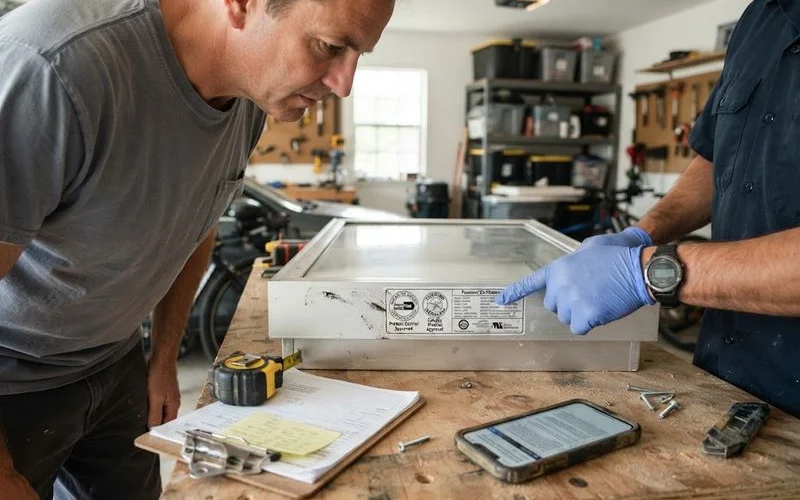
Glass options at a glance
Laminated glass holds together when it cracks, and tempered glass breaks into small pieces. Polycarbonate and acrylic domes behave differently again. Each has a glossary entry here, and each has trade-offs in clarity, heat gain, and cost. Ask a contractor to explain why they recommend one for your roof.
What to ask for
- The exact product and model number.
- Documentation showing approval for your location.
- The design pressure rating of the assembly, not only the glass.
- Who installs the flashing and how it is rated.
A strong unit installed with weak flashing is still a weak point. Installation quality is part of the rating in practice.
Cost, without a made-up number
Impact-rated units generally cost more than standard ones. We do not quote a figure because it depends on size, product, and roof. Get the standard and the upgraded option priced side by side so you see the difference on paper.
Choosing who to call
Look for contractors who talk about product approval without being prompted. The storm and hurricane-rated skylights category lists local businesses in that area. Our rubric explains how we evaluate them, and the home page shows the full directory. For the paperwork side, see the guide to skylight permits and the Florida Building Code.
Replacing an older unit
Older skylights installed before current requirements may not carry the documentation a newer one does. That does not mean yours is unsafe, but it does mean a replacement may be judged by newer standards. If you are replacing after storm damage, ask the contractor and the building department what the project now requires before you order, because ordering the wrong product can mean a restocking fee or a failed inspection.
If your existing unit is in good shape and you are only upgrading for peace of mind, compare the cost of the upgrade against the age and condition of the roof around it. A new skylight on an old roof is still limited by the roof.
This is general information, not engineering or insurance advice. Confirm requirements with your building department.
Questions people ask
- Is every Florida skylight required to be impact-rated?
- No. Requirements depend on location, the building code in force, and the project. Some areas are mapped as wind-borne debris regions, others are not. Your building department can tell you.
- What is the difference between impact-rated and a high design pressure rating?
- Impact rating relates to resisting flying debris. Design pressure rating relates to wind load on the unit. A product can be strong in one and not documented in the other.
- Can I tell from the glass whether it is impact-rated?
- Not reliably. Look for labels and the product approval documents instead of judging by appearance.
- Do these units help with insurance?
- Some insurers recognize wind-mitigation features. Ask your agent what documentation they want before you buy.