
Skylight permits and the Florida Building Code: what homeowners should know
By Priya Vogel, Editorial Lead · Updated 2026-09-29
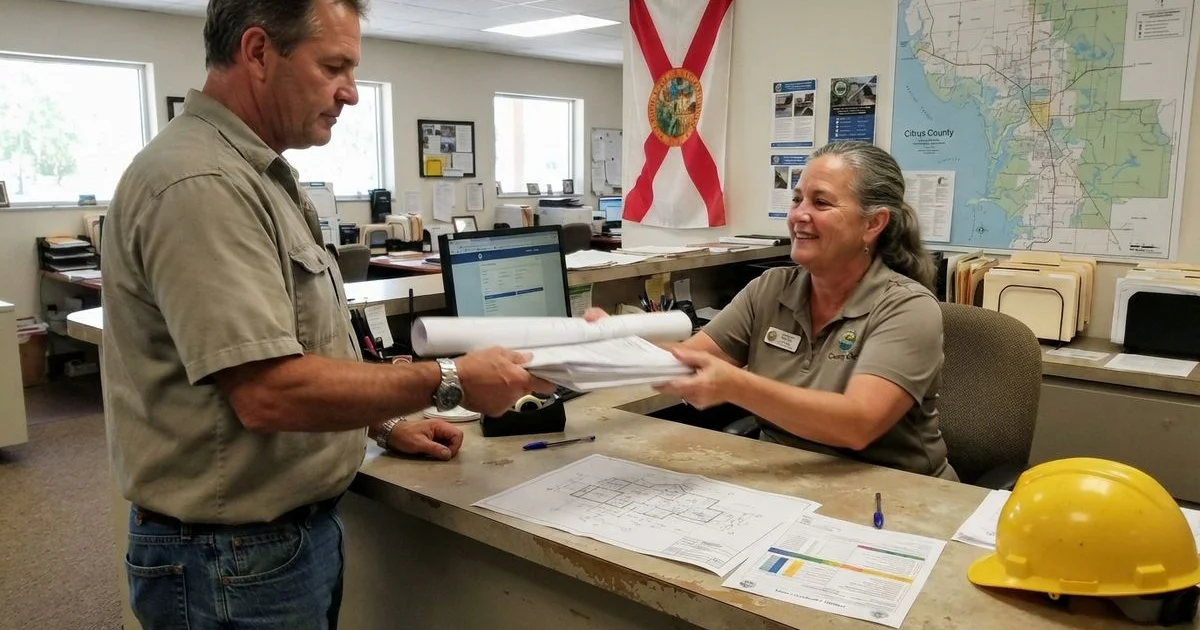
Skylights feel like a small upgrade, but the code treats them as a hole in your roof, which in Florida means wind, water, and inspection rules. This guide explains the pieces so you can ask sensible questions. It is not legal advice, and rules change by jurisdiction.
Why a permit usually applies
A skylight changes the roof structure and its weather barrier. Cutting a new opening can also change framing. Because of that, building departments commonly treat installation or replacement as permitted work. The permit puts an inspector on the job to check flashing, fastening, and the product itself.
Citrus County and its cities each have building offices, and their forms and fees differ. Call yours with your address and the scope of work and ask what is required.
Terms you will hear
| Term | What it means for you |
|---|---|
| Product approval | State-level approval for building products tested to Florida conditions |
| Design pressure rating | The wind load the unit is rated to resist |
| Wind-borne debris region | A mapped coastal zone where openings may need impact protection |
| Notice of Acceptance | A local approval document used in some high-wind areas |
| Licensed contractor | A state-licensed professional allowed to pull permits for the work |
Each of these has a short definition in the glossary on this site. The point here is how they affect your project, not what they say on paper.
Who is responsible
The person pulling the permit is usually the one answerable to the building department. A licensed roofing or general contractor normally takes that role. If the agreement leaves it unclear, ask in writing. Also ask the contractor for proof of license and insurance. Florida’s state licensing board has a public lookup you can check yourself.
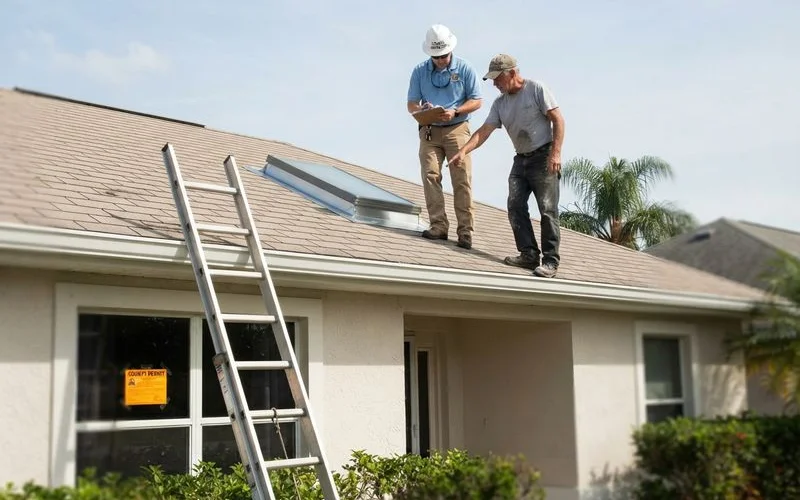
A simple permit checklist
- Ask whether the job needs a permit and who pulls it.
- Get the product model and its approval documentation.
- Confirm whether your address sits in a wind-borne debris region.
- Keep the permit number and the final inspection sign-off.
- Keep the warranty paperwork with the permit record.
Red flags
Be careful if a contractor says a permit is unnecessary, asks for cash to skip it, or cannot name the product approval. Reviewers of local businesses frequently praise those that are licensed and insured, and the sentiment signals we track treat that as a positive. Our rubric explains how.
When the work is part of something bigger
If the skylight is part of a roof replacement, the permit may cover all of it. Ask how the skylight is listed on that permit.
To compare contractors who work on hurricane-focused projects, see the storm and hurricane-rated skylights category. The full directory is on the home page. To decide whether your address needs a rated unit at all, read the guide on impact-rated skylights in Florida.
This is general information, not legal advice. Confirm requirements with your local building department.
Questions people ask
- Do I need a permit to replace a skylight in Citrus County?
- Roof work generally needs one, and a skylight sits in the roof. Rules differ by jurisdiction and project, so confirm with your local building department before work starts.
- Who should pull the permit, me or the contractor?
- In most cases the licensed contractor does, and it should be stated in the written agreement. Be cautious if a contractor asks you to pull it as the owner without explaining why.
- What is product approval and why does it matter?
- Florida requires many exterior building products to carry an approval showing they were tested for the state's wind conditions. A skylight without the right approval can fail inspection.
- Can an unpermitted skylight cause problems later?
- It can. Unpermitted work may come up at an insurance claim or when you sell, and fixing it after the fact can cost more than doing it right.